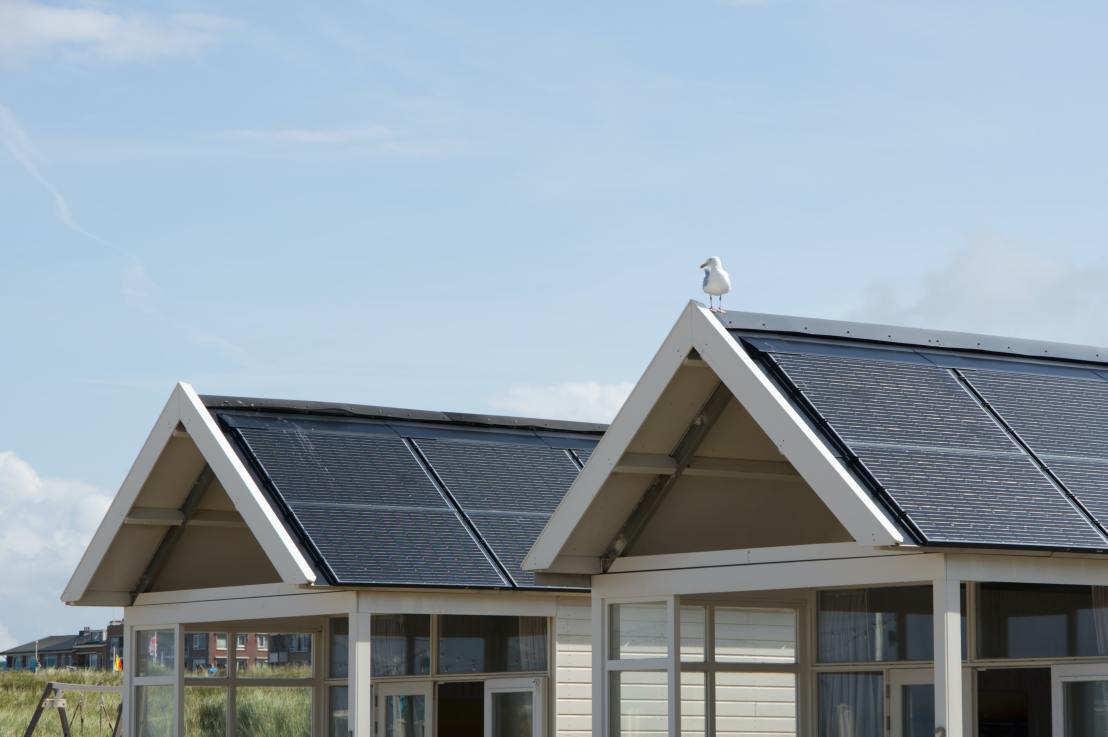
Switching to solar energy can be expensive. Not only will you shed a few bucks for premium solar panels and electrical equipment, but you’d also have to pay for laborers and contractors to ensure proper installation.
This is why it’s essential to know how long you should expect your solar panel system to last before needing a new one. This way, you can adjust your budget and plan for your next installation.
How long do solar panels last?
According to engineers and solar energy experts, standard solar panels can last up to 30 years.
To achieve this kind of longevity, first, your solar panels should ideally be high-quality ones. This means that they’re made only of premium materials.
Next, they should be installed and maintained correctly. All the frames and racks should be well-kept with little to no rust, and all electrical wirings to the inverters and generators should be plugged in and appropriately organized.
Aside from this, their position in your residence should always be safe and secured from any accidents. It would be best to do periodic check-ups, typhoons, and hurricanes after the winter season.
If you’ve followed these simple steps, then you can expect that your solar panels can maintain 90%-97% efficiency in energy production.
What kind of reinstallation do you need?
Aside from solar panels, you would also have to replace a couple of your solar panel equipment now and then. Fortunately, when you reinstall your solar panel system, you don’t have to throw away everything.
The most frequently replaced elements of your solar panel system are the wirings. You should replace them every 5-8 years of continuous use most of the time.
Aside from this, it would help if you also kept your racks and frames checked. Rusty frames can affect the positioning of your solar panels, and so is their insulation. They might not absorb the light energy that they need to produce electricity.
Lastly are your inverters and generators. While most heavy-duty inverters and generators have great longevity, constant use can reduce their ability to store electricity.
 Go Solar Today