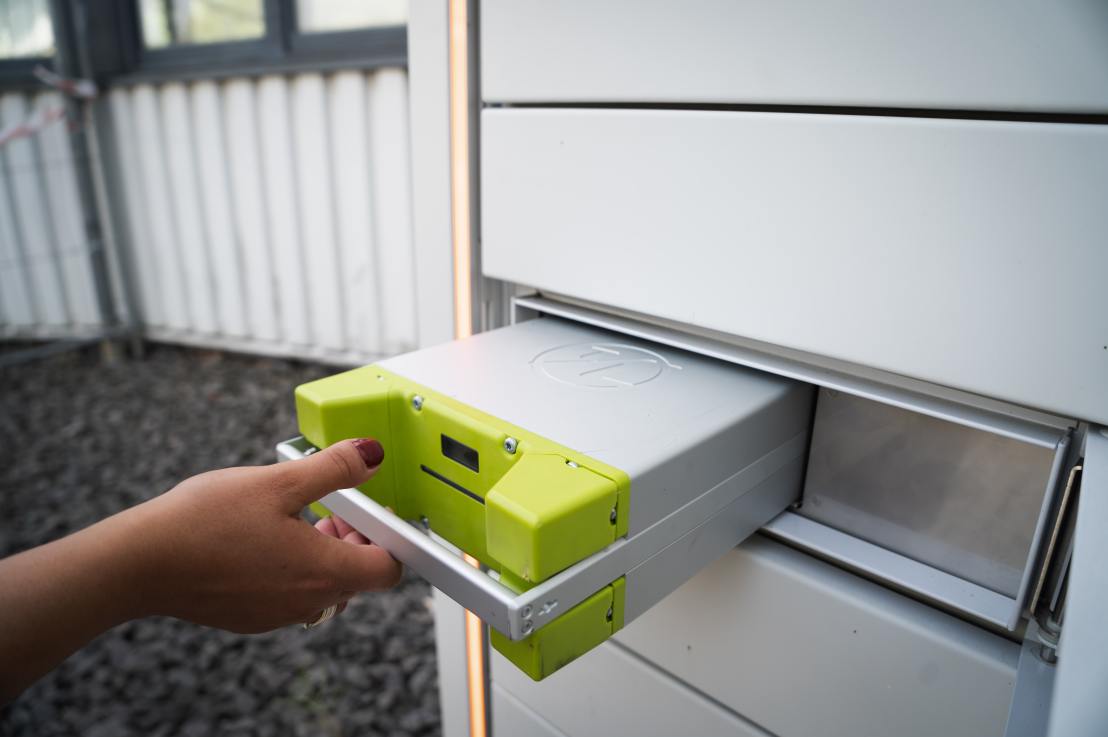
One of the common mistakes among first-time solar power users is disregarding the quality of their solar batteries. People think that they will automatically have an efficient solar power system if they have premium solar panels.
The truth is, your choice of solar battery is as important as your choice of solar panels. And one of the important choices you’d have to make is choosing between the two kinds of solar batteries available in the market today, lead-acid and lithium batteries.
Lead-Acid Batteries
Lead-acid batteries are rechargeable batteries that store electrical energy by using chemical reactions between lead, water, and sulfuric acid. They’re the earliest kind of electronic battery which uses 160 years old battery technology.
Advantages and Disadvantages of Lead-Acid Batteries
The lead-acid battery won’t last this long due to its reliable and cheap technology. You can save up to 8% of solar power installation costs if you opt for lead-acid batteries instead of lithium batteries.
However, lead-acid batteries require frequent maintenance checks. Aside from this, compared to lithium and other kinds of batteries.
Lithium Batteries
Lithium batteries are more modern compared to lead-acid batteries. They are also the most widely used batteries as we use them on smartphones and other electronic devices.
Advantages and Disadvantages of Lithium Batteries
Lithium batteries are perfect for heavy-duty use. They have a longer lifespan, maintaining a high-efficiency rate despite continuous use.
Aside from these, the average warranty period of premium lithium batteries is ten years, while lead-acid and other cheaper batteries have an average warranty period of 3 years.
The only downside of lithium batteries is that they’re almost 2x more expensive than lead-acid batteries. But one lithium battery can match the efficiency and longevity of 3 lead-acid batteries.
 Go Solar Today