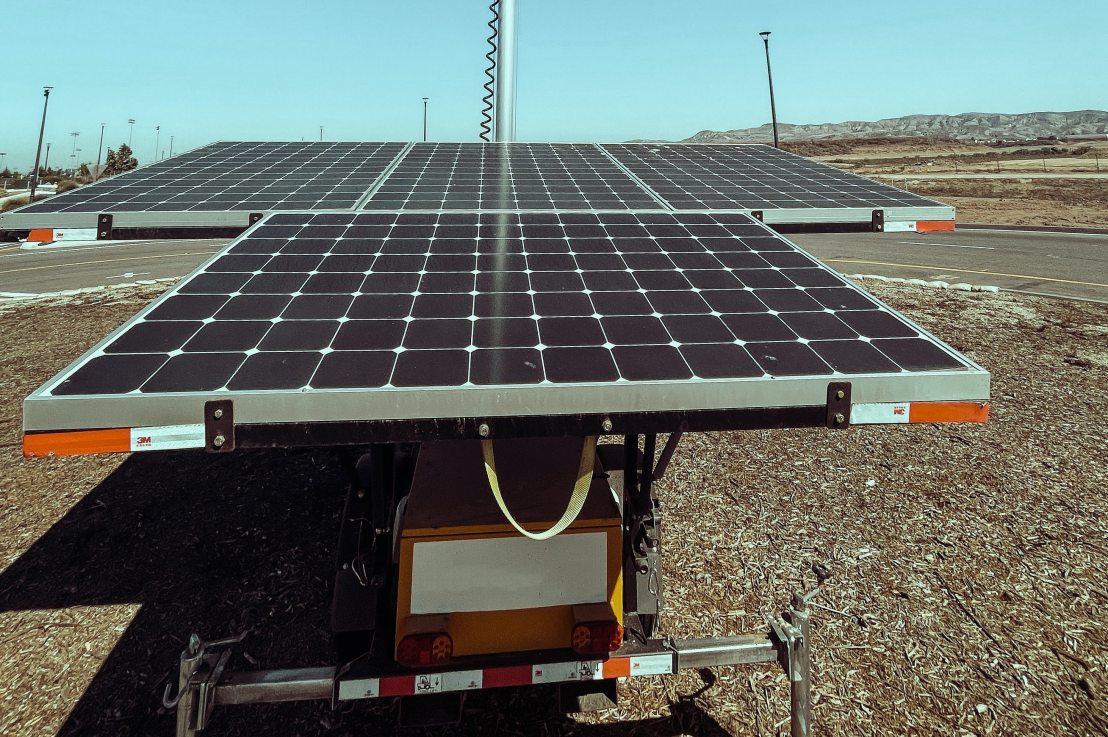
Solar power is an excellent emergency alternative for electricity. Whether you’re camping or just at home gearing up for bad weather, it will be very beneficial to have your solar generator.
However, like any home item, there are advantages and disadvantages to using solar generators. Understanding each of them can help you make the most out of your solar project.
Solar Generators
A solar generator also called a solar battery, is a power station that uses solar energy to produce electricity instead of traditional sources like fossil fuels. They’re mostly hooked up with solar panels. Compact solar generators come with portable solar panels, while heavy-duty generators are linked to a series of solar panels installed on the house for residential use.
Like any power station, a solar generator can be used by simply plugging in your device or appliance.
Advantages of Solar Generators
Solar generators can bring you huge savings since recharging them is technically free. You don’t have to regularly pay for fuel or plug it into another power source to store electricity on it again.
Aside from this, solar generators are low maintenance compared to other electricity generators. They don’t run on fuel or gas, making them less susceptible to damage.
The use of clean and renewable energy is an advantage, too. You can pretty much use them anytime and anywhere without hurting the environment.
Disadvantages of Solar Generators
Compared to other power stations, solar generators can be pretty expensive. While a regular fuel-powered generator might cost around $1,200, a typical solar generator ranges from $1,800-to $2,400–depending on the power capacity.
Solar generators might not be the best option if you’re looking for something that can charge your gadgets or power up your appliance anytime you want. Should your generator run out of stored electricity, you’d need to wait for the sun to come up to use them again. Not to mention that they produce inconsistent electricity output, depending on their sun exposure.
 Go Solar Today