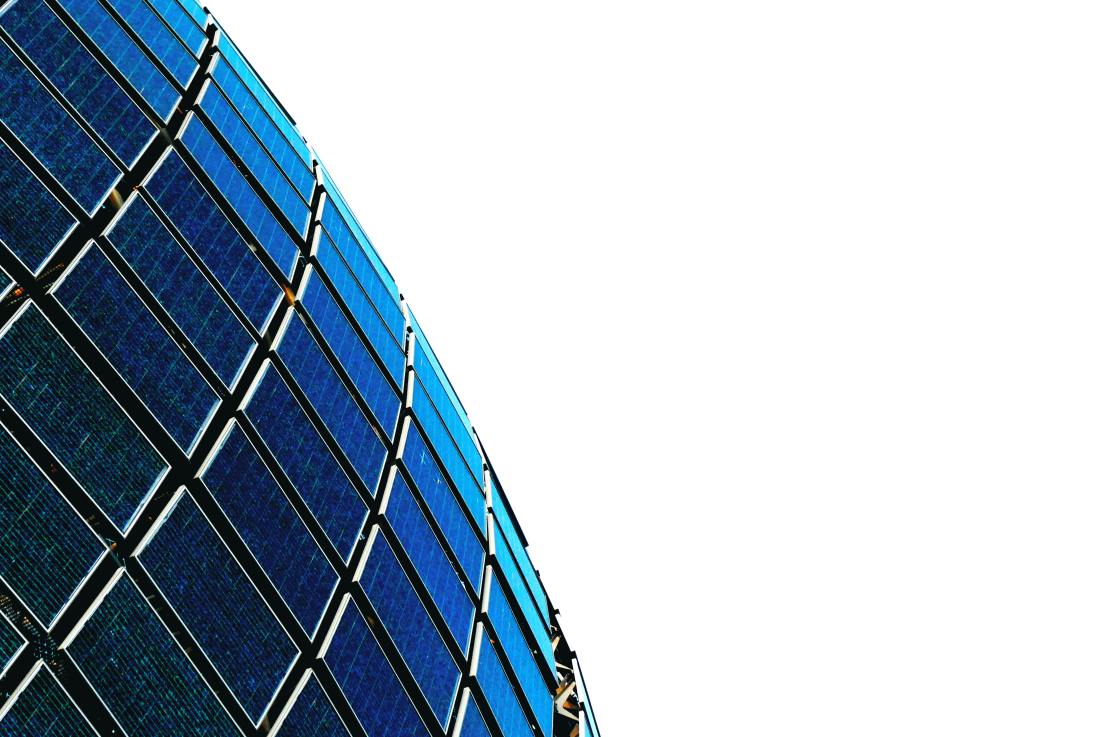
Solar panels are getting more and more advanced these days. For starters, there are more kinds and sizes available in the market, and there are more installation techniques introduced–all of which significantly make residential solar projects cheaper.
One of the best solar power innovations is the creation of thin-film solar panels. If you are a homeowner who’s thinking of getting a residential solar project, you might consider using thin-film solar panels.
What is a thin-film solar panel?
A thin-film solar panel comprises one or more thin layers of photovoltaic materials that are laid onto a substrate. With their multiple light-absorbing layers, these thin films are almost 300x smaller than the traditional silicon solar panels. Because of the size of the PV cells used with built-in semiconductors, thin-film solar panels are the lightest panels available.
What are the advantages of solar thin films?
a. They are lightweight because of their construction, where the panels are sandwiched between glass without a frame.
b. Cost less than traditional solar panels.
c. Lower carbon footprint since they are smaller in size.
d. Installation usually costs less because it is easy to install and requires less labor.
What are the disadvantages of solar thin films?
a. If the thin panels contain toxic cadmium, their impact on the environment increases instead of decreases.
b. They are not as efficient as traditional solar panels are for residential use, where PVs in the conventional range between 13-19 percent efficiency and thin-film average between 4-12%.
c. Depending on project size, a larger area, possibly up to 50 percent more, is needed to allow for more thin-film solar panels.
While labor costs are reduced, unique installation materials may be required.
 Go Solar Today