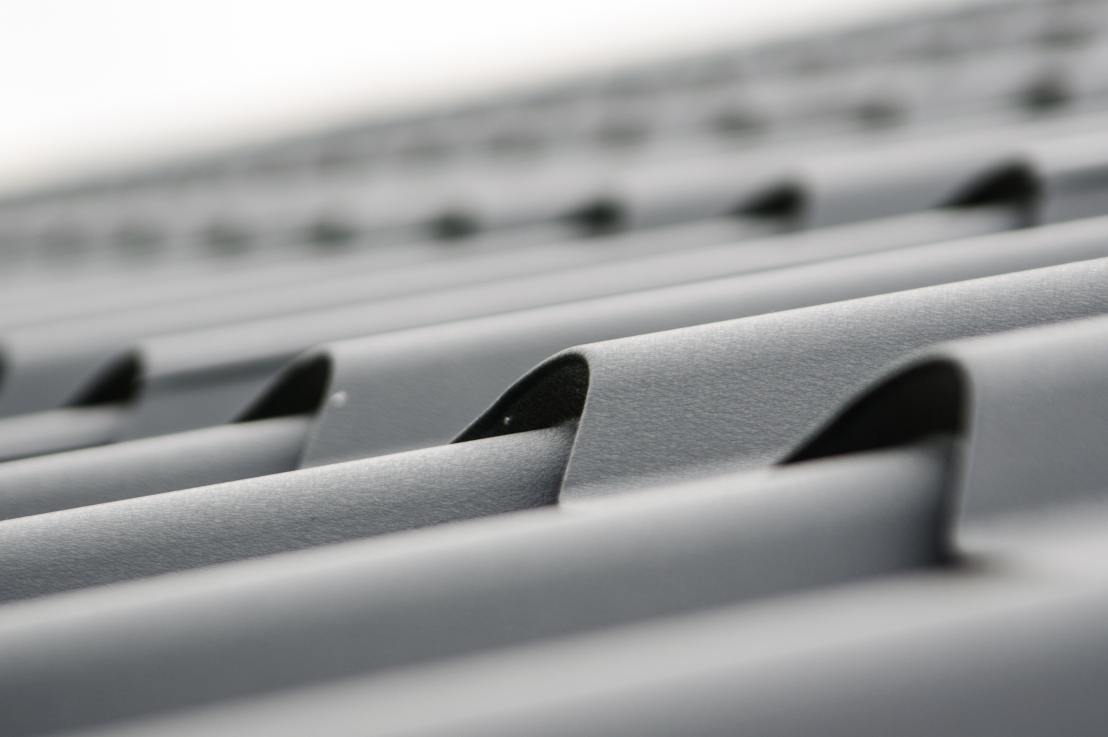
Mounting solar panels varies depending on your roof. To effectively install solar panels, there are many profiles, gauges, metal kinds, and variables to consider within metal roofing materials alone.
Working with a reputable solar energy installer who can confidently choose the right mounting bracket for your metal roof is critical for your solar project.
The fundamental methods the base mounting brackets are affixed to various types of metal roofs are covered in this article.
Metal roofs are excellent for solar projects because they’re durable. If you do a home renovation for your solar project, it’s best to consider a metal roof installation.
Metal roofs can last up to 70 years, while asphalt composite shingles are only predicted to last 15-20 years. The majority of solar panel installations can last up to 25 years, but systems will continue to produce at a high level.
When the time comes to replace the panels, say in 30-35 years, you may easily switch them out without having to install brackets and rails. If you plan on living in your house for a long time, this might give you significant savings.
Solar panel mounting methods clamp onto the seams of a metal standing seam roof if you’re lucky enough to have one. No holes will need to be bored in your roof due to this method. Your solar installation will be faster, labor costs will be lower, and you won’t worry about water coming into your roof.
Trapezoidal roofing has more flat regions between each peak, and the height of each ridge can vary. As a result, trapezoidal metal roof brackets come in various shapes.
They’re placed in the same way as corrugated metal brackets are. Each frame should fit tightly over each trapezoidal ridge to guarantee ideal drill hole placement above the roof’s base level. Using sealant to ensure no leaks is a standard procedure for this roof type.
 Go Solar Today