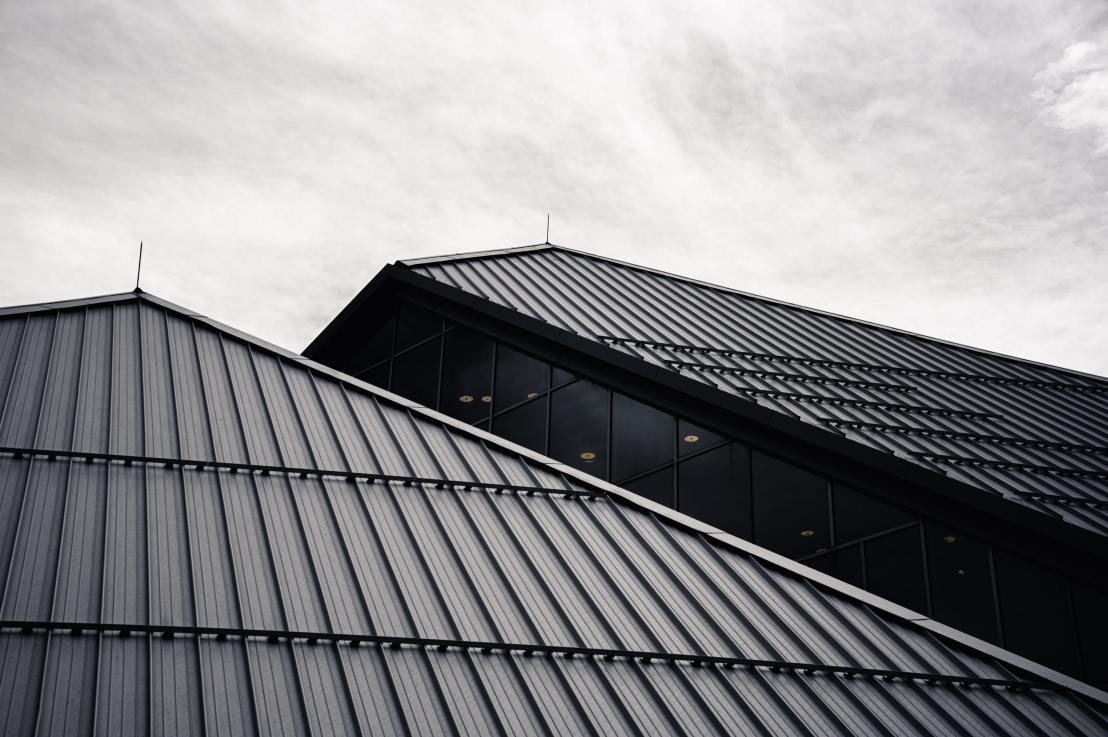
Working with a reputable solar energy contractor who can confidently choose the ideal mounting bracket for your metal roof solar installation is crucial.
This post describes the fundamental methods for attaching base mounting brackets to various metal roof types.
Can you install solar panels on a metal roof?
Because they are so durable, metal roofs are excellent for solar power. Before going solar, you might consider installing a metal roof if it’s time to replace your roof.
While asphalt composite shingles are predicted to last about 15-20 years, metal roofs can last up to 70 years. Most solar panel installations come with a 25-year warranty, although systems will continue to produce effectively.
How to install solar panels…
On standing seam metal roofs
Solar panel mounting solutions attach to the standing seams if you’re fortunate enough to have one. This prevents the need to drill holes into your roof. You won’t have to worry about water seeping through your roof or your solar installation taking longer than expected, or requiring more effort.
The clamps are secured by a single bolt and are constructed of high-strength aluminum. Most have at least a ten-year warranty, but they should easily outlive your solar system.
On corrugated metal roofs
You will want a different mounting technique if your roof is metallic corrugated. To prevent holes from being present in the lower lying drainage regions, special brackets are affixed to the upper crest of the corrugations.
The bases of high-quality brackets will include rubber gasket seals, eliminating the need for your installer to spread the sticky sealant over your roof.
On rectangular or trapezoid metal roofing
Between each peak of a trapezoidal roof are often more flat sections, and the height of each ridge can vary. As a result, brackets designed for trapezoidal metal roofs also goes.
Similar to the brackets made of corrugated metal, they are installed. It is intended for each frame to fit tightly over each trapezoidal ridge to achieve the best drill hole placement above the roof’s base level. Nevertheless, using sealant to prevent leaks is a routine procedure for this roof.
 Go Solar Today