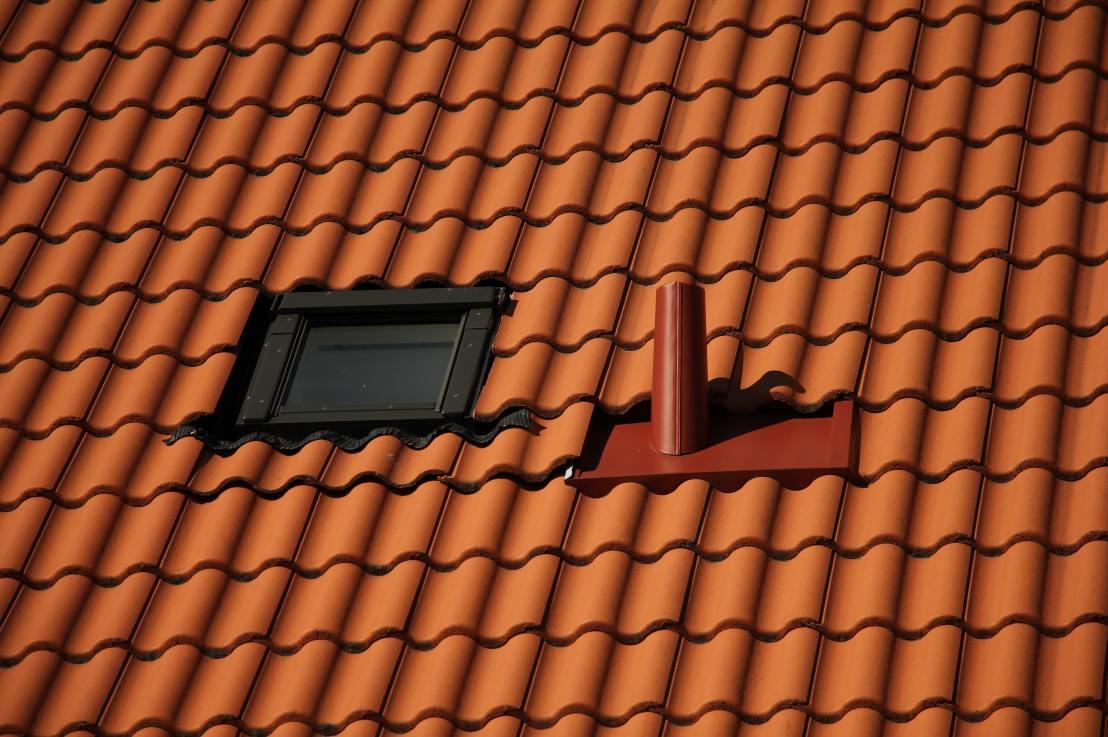
When installing concrete tiles, a reliable solar installer will remove a few tiles just where you must insert specific hooks into your roof joists. Then, they will connect specific hooks to the foundation plates they have installed and attach them to your roof membrane.
To guarantee that no water enters the newly-drilled region used to secure the baseplate and hook, flashing is then put, ideally with tar, on top of the hook. Your solar panels are fastened to the rails and attached to each hook.
Your installer will need to cut some wood and install it in the proper places in your attic if a baseplate and hook are required where there isn’t an accessible roof joist beneath.
It is advised to employ a double flashing technique rather than hooks for clay tile roofs. This is so that the more delicate clay tile won’t be cracked by the panels and hooks to which they are fastened.
Tile replacement mounts, a relatively recent invention, simplify solar installations by eliminating the need for your installer to cut tile to fit around hooks creatively. The tile beneath your solar system, where your mounts are fastened to your roof, is replaced by them.
They could be worth considering if aesthetics are important to you and you have a lot of money to spend on this installation. In any case, it’s a good idea to start saving money immediately by utilizing standard solar panels attached to your clay roof as described above.
 Go Solar Today