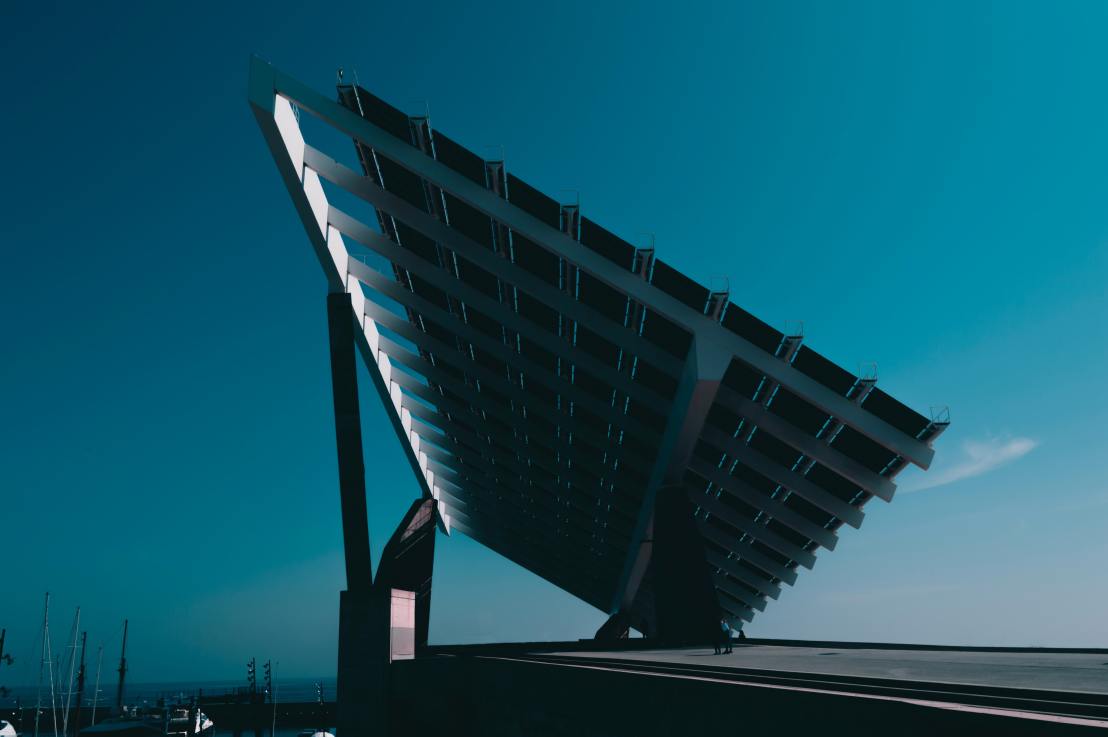
A solar array can produce energy for at least 25 years (its warranted life) because of the robustness of solar panels. Energy is made without the usage of fuel, moving parts, or any other type of owner interaction.
How do solar arrays function?
A solar array can power a residential solar energy system in the following ways, which are briefly described:
- Direct Current (DC) power is produced when sunlight strikes the solar cells in the array, energizing them.
- Energy conversion: After passing through an inverter, the DC power is transformed into usable Alternating Current (AC) electricity for the residence.
- Consumption of energy: The 120/240 volt AC power supply is used locally (by the residence) or exported to the grid, where it will be sold to other people who require electricity.
Is it a good idea to install a solar array?
For most households, solar arrays are a wise investment because of the low cost of solar panels, numerous solar incentives, and extensive warranties.
The average homeowner saves between $900 and $1,200 a year on utility costs thanks to solar panel systems. Accordingly, the typical homeowner’s solar payback period will be between 8 and 11 years. They will then receive 15 more years of totally free solar energy!
Depending on the size of your system, the cost of power in your area, and the number of kilowatt-hours you use, your savings from going solar will vary. Additionally, it relies on the kind of net metering policies offered in your region.
Where can solar arrays be installed?
Anywhere with decent access to sunlight can be used to install solar panels.
A solar array installation is most frequently done on a home’s roof. It should ideally be on a portion of the rooftop that faces south. In the United States, solar panels facing south receive the most sunlight and produce the most power.
Installing a solar array on ground mounts is an additional choice. This choice is frequently employed by solar farms or rural areas, where land is typically less expensive.
In addition to roofs, various constructions can support solar arrays. One such choice is solar canopies, as well as solar pergolas, patios, and gazebos.
 Go Solar Today