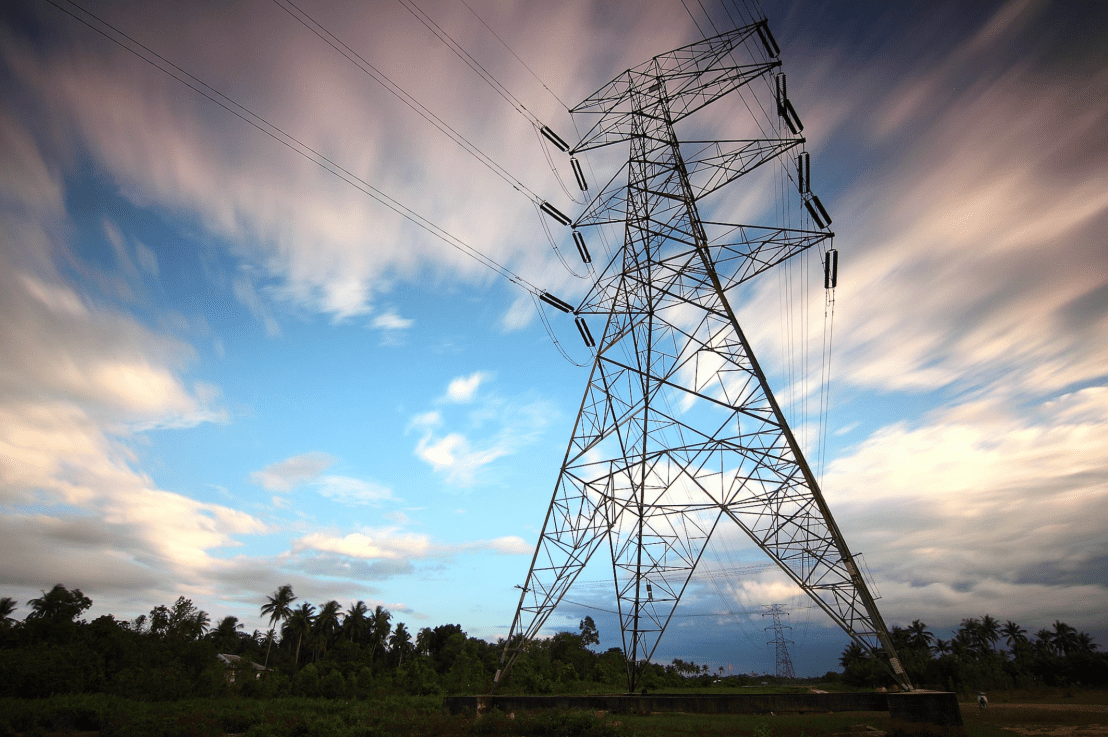
The most extensive and intricate mechanism in the world is said to be the American electrical grid. It is a complicated web of power sources and consumers linked and finely balanced, yet it is more intricate than anything a billion spiders could spin.
Every minute of every day, the grid must produce the right amount of power and respond to imbalances within seconds. When your air conditioner kicks on, a generator somewhere has to be rebalanced to maintain voltage since it spins a little bit more slowly. The precise control of generation and utilization (loads) takes place instantly, but the quantity of power required at any one moment is planned for across a wide range of time frames, from an hour to years in advance.
Everyone has to have a basic understanding of how the grid functions and how solar panels and batteries fit into the global transition away from fossil fuels and increasing reliance on energy.
Generation
Power sources are referred to as a generation. Michael Faraday discovered that spinning a conducting material inside a magnetic field could transform mechanical energy into electrical energy in the early 1830s. Within 50 years, the idea had been developed and put into practice on a big scale, with the mechanical energy coming from massive turbines spun by steam from water heated with coal or water from a hydroelectric dam.
Turbines that run on coal, gas, hydro, nuclear, wind, and geothermal heat are among the modern sources of electricity generation. Our preferred source of electricity is photovoltaic energy, which may be produced without the need for mechanical energy or moving components. Instead, it uses exciting electrons in semiconductor materials like silicon or thin-film solar cells to deliver an electrical current.
Distribution
The cables put on wooden poles and crisscross through the cities and villages where energy consumers reside are known as distribution lines. Depending on whether the lines are overhead or underground, smaller transformers are placed close to consumers on poles or in ground-mounted transformer boxes. These transformers reduce the electricity once further to the typical 240 volts used in homes and businesses.
These bi-directional distribution transformers also scale electricity up when it is transmitted to the grid from distributed energy resources (DERs). This category includes solar panels, mini-turbines, batteries, and other things. When DERs produce more electricity than is required by their host customer (a building with solar panels, for example), the excess energy is delivered down the lines to the pole and then instantly distributed to other consumers in the neighborhood.
 Go Solar Today