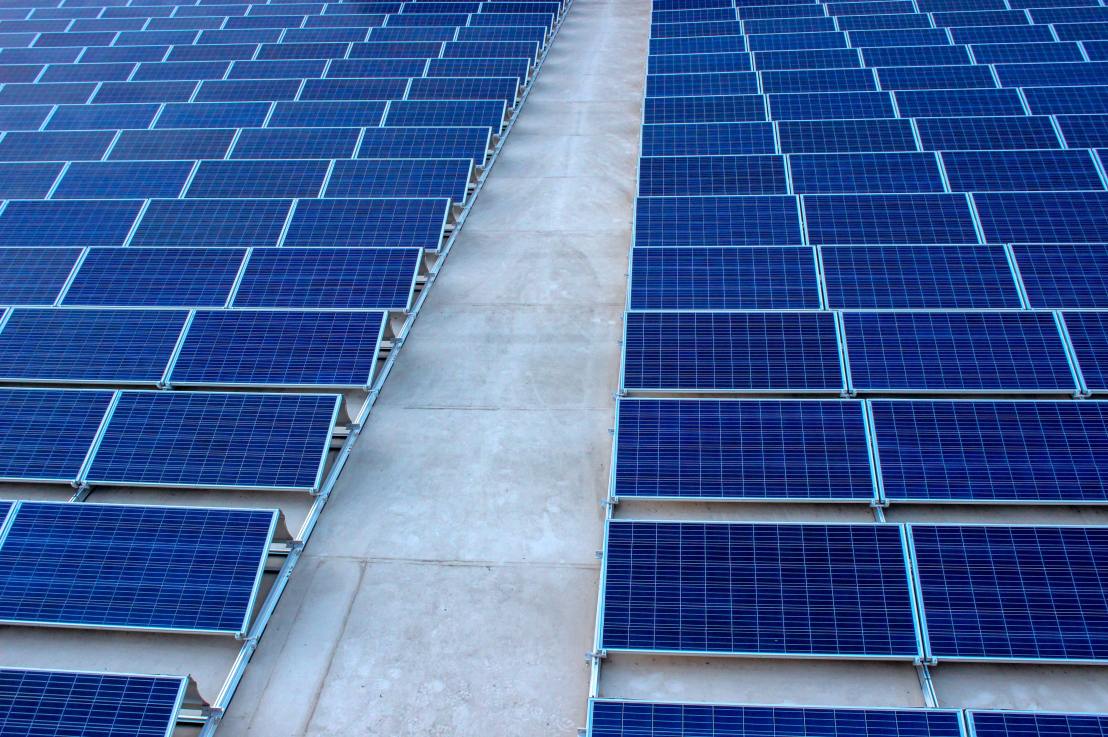
Solar photovoltaic and concentrated solar energy are the two primary methods solar energy systems use to generate electricity.
PV from solar energy
The type of solar energy that is most frequently employed is photovoltaic (PV) technology. They are the default choice for most commercial installations and rooftop solar systems.
Silicon photovoltaic cells found in solar panels convert solar energy into electrical current. Solar panels with photovoltaic (PV) cells turn sunlight into electricity by acting as semiconductors.
Layers of solar cells are positively and negatively charged. Electricity is produced when photons from the sun strike solar cells and transport electrons from the negative layer to the positive layer. Direct current (DC) power from the generator travels into an inverter, where it is changed into alternating current (AC) electricity for usage in homes and businesses.
Thermal Solar Energy
Solar thermal energy works by using the heat from the sun. For instance, solar water heaters use the sun to heat water within solar collectors before dispensing it at your faucet!
Concentrated solar thermal power exists on a bigger scale. Mirror-like structures reflect sunlight into a central receiver in a powerful solar power system. The thermal energy then warms the water, creating steam, which turns turbines to produce electricity.
Because concentrated solar systems need a lot of room, they are usually better suited for regions with vast amounts of open area and sunshine, like the American West.
The solar energy that is concentrated operates differently. As they collect solar thermal energy from the sun and transmit it to a central receiver, these panels behave more like mirrors. Once the water is heated, this thermal energy is utilized to create steam, which turns turbines in a plant.
The Future of Solar Power
More utilities and significant industrial power facilities are converting to solar energy. To lower our carbon dioxide emissions and move closer to lessening the negative effects of climate change, we must install more solar panels and other renewable energy sources, such as geothermal energy, hydropower, or wind power.
You might eliminate your electric costs by installing solar panels, which can provide all your energy requirements. Installing solar batteries could keep your house secure during storms or grid disruptions.
Future energy sources will be derived from renewable resources, and as solar technology develops, it will become more affordable and widely available. There has never been a better moment to go solar and combat climate change.
 Go Solar Today