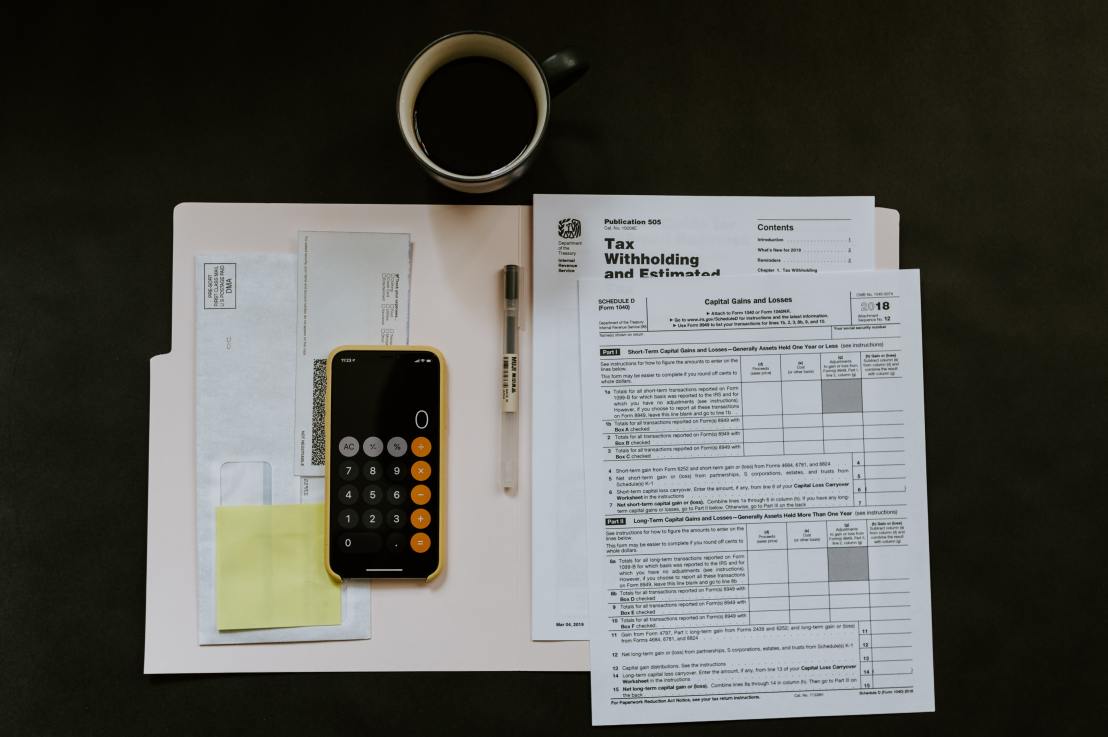
Governments from across the globe are already taking bold steps to promote renewable energy such as solar power. For example, in the United States, Congress passed a Federal Tax Credit for residential solar power.
If you’re living in a country with a federal tax credit for using solar energy, then you’re lucky. You don’t just get significant savings in using solar power, but you also get a dollar-for-dollar reduction on your annual fees.
What is a tax credit?
A tax credit is a direct deduction from your annual income tax. For example, your annual tax is usually $700. If you’re eligible for a $500 tax credit from the government, then you’d only have to pay $650 income tax.
What is a solar tax credit?
The government aims to repay the amount you spent installing solar power systems in your home by deducting its cost to your annual income tax on the same year of installation. This includes:
- Purchasing solar panels, inverters, generators, and other installation equipment
- Hiring laborers, contractors, or engineers for installation
- Additional installation costs such such as permit fees, inspection costs, and developer fees
- Solar power storage
For example, you spent around $350 installing a solar power system in your home. You can apply a direct $350 deduction to your annual income tax. The best thing is that there’s no maximum amount to be claimed.
How to be eligible for a solar tax credit?
You are qualified to get a solar tax credit if you’ve met the following requirements:
- You’ve installed your solar power system during the time the solar tax credit is passed
- The solar power system is on your primary or secondary official residence
- The solar power is used for an off-site community non-profit project
- It’s your first installation
- You’re not using solar power for business
- The solar power generation doesn’t exceed your residential electric bill
 Go Solar Today