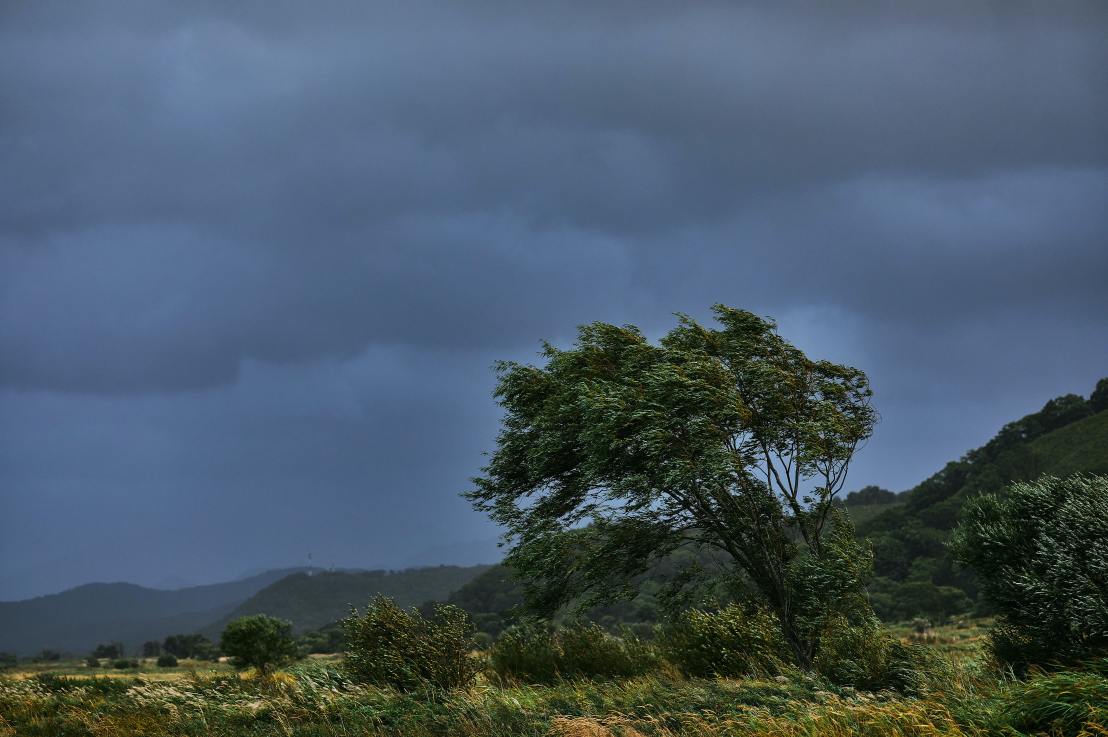
Solar power is more durable than how people think it is.
New Jersey is one of the cities with the highest residential solar power users. When Hurricane Sandy struck them during 2012, it only caused minimal damage to the point that these residents were able to use their solar power grids again in no time.
So, yes. You can use solar power during bad weather. It’s the best time to do so as your solar energy can be a good emergency source should electric grids go off. To help you do this, here’s a couple of tips on using solar power during typhoons.
1. Charge your solar batteries
The best way to use solar power during typhoons is through solar batteries. Before the typhoon strikes your place, it’s best to charge a heavy-duty solar generator so you can easily plug your appliance into it.
It’s highly recommended to get a solar generator of at least 3600watts. This will be enough to power essential home items for a couple of weeks.
2. Secure your solar panels
Prepare for the worst. Before a typhoon strikes, ensure that your solar panels are safe and secure. Check all the screws, bolts, and nails to avoid getting shattered by the wind. Secure your inverter and its wirings as well to prevent possible short circuits.
3. Recharge when possible
Solar power generators can still produce 25% of optimal energy, even on rainy days. So it’s best to recharge your solar battery at every chance you get.
If the typhoon calms down, wipe off the water on your solar panels. Moisture buildup can affect the insulation of the panels, which will lead to less absorption of heat. After that, adjust or reposition your solar panels to ensure that they can get the optimal sunlight in your area.
 Go Solar Today