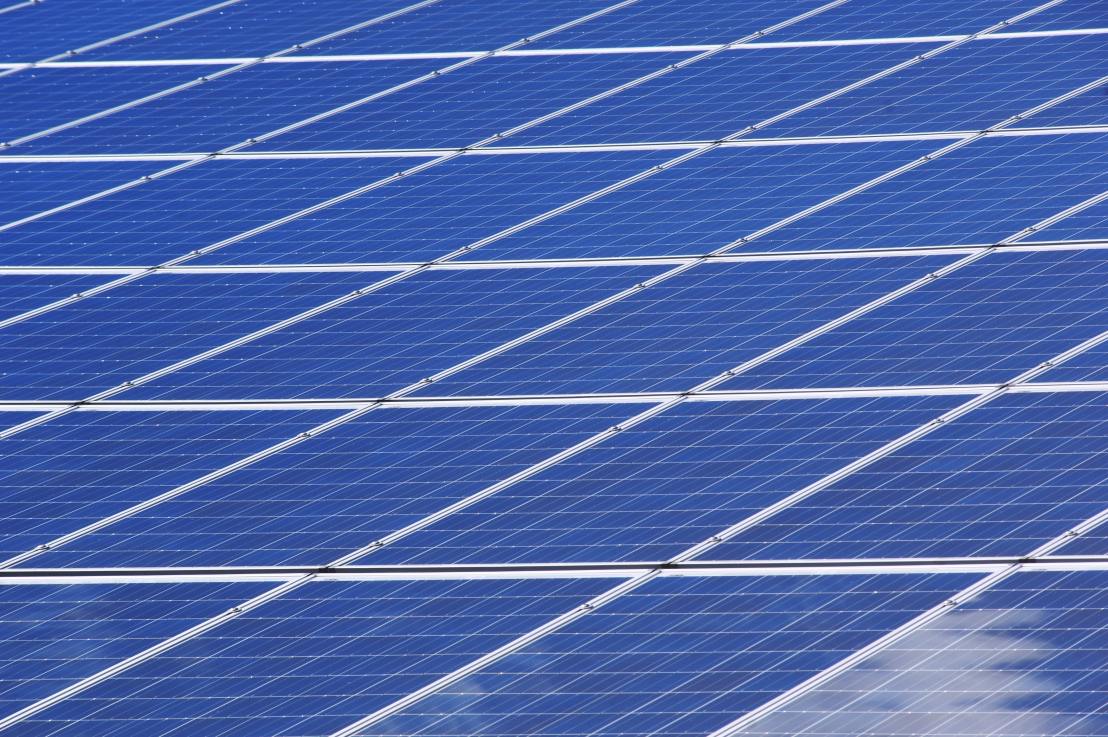
Because of the popularity of solar power, more companies are venturing into solar panel manufacturing. While having plenty of options is a positive thing for consumers, picking the best solar panels for your house has become more challenging.
The first step to getting the perfect solar power project for you is to understand the various specifications of solar panels. This way, you can have an objective way of comparing solar panel brands.
1. Cells
The specification that you have to understand is the type of cells. Most residential solar panels are made of 60 cells in a series, but some can go up to 72 solar cells.
The number of cells in your solar panels can determine the electrical output of your solar project since they are the ones that convert solar power into usable electricity.
2. Cell Type
Aside from the number of cells, it’s also essential to know the cell type of your solar panels.
More than 96% of residential solar panels are made of crystalline silicon cells. However, it will also be best to explore other cell types, such as thin-film solar cells and third-generation solar cells, since they also have their strengths that may go perfectly with your electricity consumption.
3. Static Snow Load and Static Wind Load
Static loads refer to the amount of pressure that the solar panels can withstand without voiding the warranty. This comes into two major types–snow load and wind load.
If you’re living in an area where bad weather is expected, such as hurricanes and snowstorms, you must become very specific on the static loads of your solar panels. While solar panels are durable, they’re not exempt from damage.
Getting solar panels with an excellent static load can prevent the risk of paying for expensive repair services when your solar panels are damaged.
 Go Solar Today