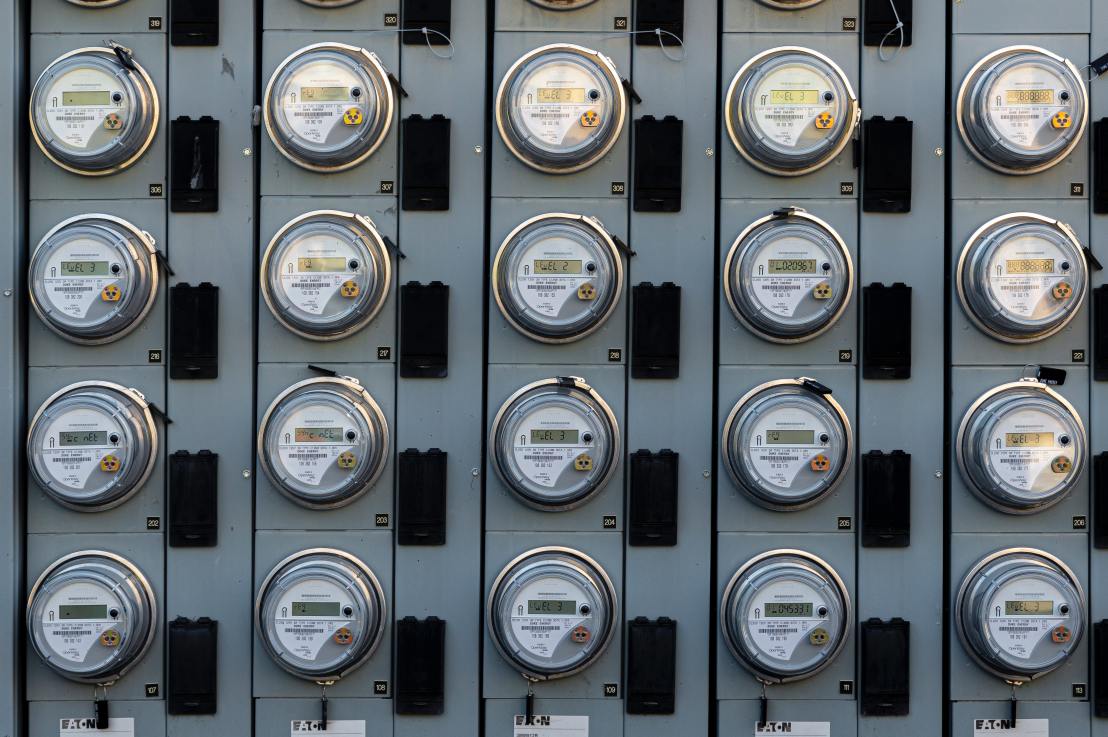
Net metering (NEM) is a utility rate policy that forces your electric provider to acquire the surplus solar energy produced by your solar panels at a total retail price.
If your residential solar project generates more electricity than what you need, the excess power goes straight to your traditional power grid, where your utility company will compensate you. The ability to save money with rooftop solar panels is due to net metering. In reality, the most significant states for solar installation are those with the best net metering rules, not those with the most sunlight.
Let’s look at how net metering may help you save money.
What is the process of net metering?
In a nutshell, net metering rewards you for returning solar energy to the grid while also offsetting future power purchases from the utility, providing you the entire economic worth of all the solar energy your solar panels generate. You may be able to remove all of your monthly power expenditures if your solar system is suitably sized.
Solar panels generate the most significant power when the sun is shining in the middle of the day. The issue is that you consume the least amount of power in the middle of the day. As a result, your panels are providing far more energy than your home requires at the moment.
Do credits from net metering rollover from month to month?
Energy credits are divided into months in most full-retail net-metering plans depending on the utility. If you create more power than you use in a month, you may utilize the extranet metering credits to offset the electricity you need from the grid the following month.
When the days are long and sunny, you’ll usually have more credits in the summer. You can use these summer credits to lower your power expenses during the cold winter months.
Your utility’s true-up policy, or how often they buy out credits, which you can generally discover under their net metering policy, determines how and if credits may roll over from month to month.
 Go Solar Today