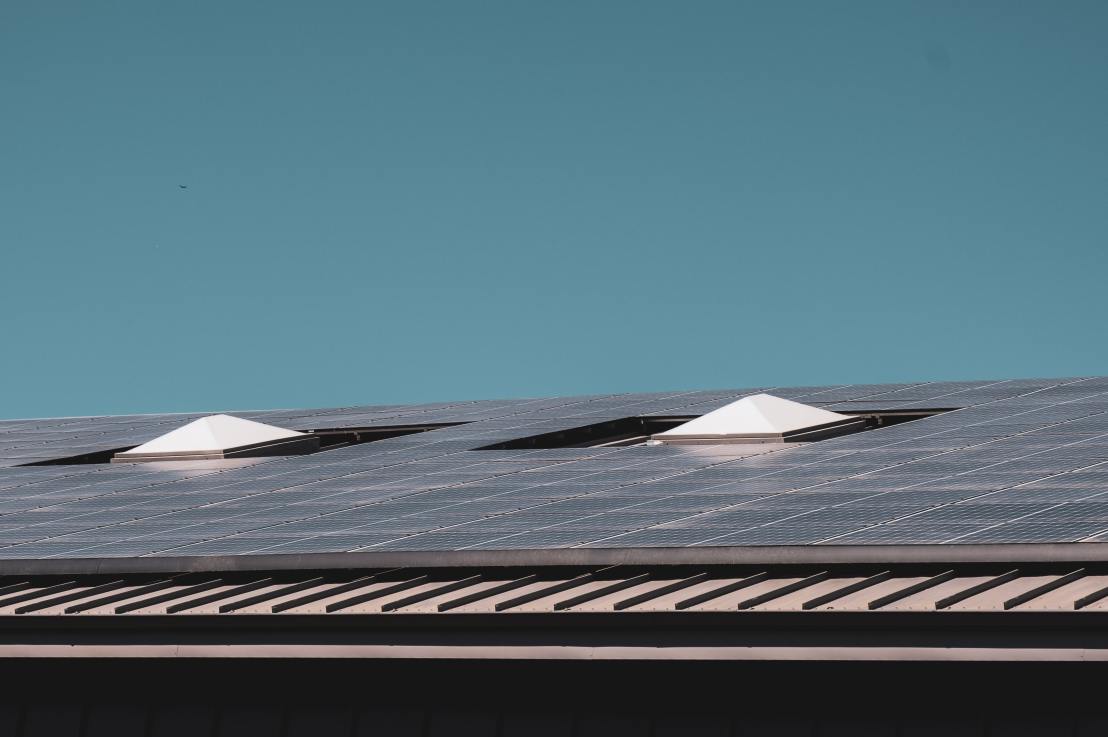
Solar panels on the roof are the first thing that comes to mind when thinking of solar electricity. However, there are several more locations where you may install solar panels to generate solar energy for your home.
Ground-mounted solar panels and solar carports are two of the most common options in 2022. Another option is to install solar projects on the patio or in the garden, sometimes known as solar pergolas’ or solar gazebos.’ Please continue reading to discover more about solar pergolas and gazebos and whether or not they are right for you.
What exactly are solar pergolas, gazebos, and patio covers?
They’re all solar-energy-generating structures that you may put in your backyard or on your patio. They can be erected on top of existing systems on your land or designed specifically for solar energy generation.
A tiny building might suffice if you only need enough energy to run outdoor lighting. However, you could install enough solar panels to power a 5 kW or even a 10 kW solar system with a more extensive configuration. A solar project of that scale can often power your home while also allowing you to sell extra electricity back to the grid.
Which is the superior option? Solar pergolas, gazebos, and patio covers vs. rooftop solar
For most homes, the rooftop is the location with the most extensive surface area and the most solar exposure. Mounting solar panels is typically a good idea because it requires little construction or alteration. Roof-mounted solar panels have remained the most popular alternative for households due to these features.
One option to examine is ground-mounted solar panels. However, they have one major drawback: they necessitate a significant amount of real estate, which you cannot use for anything else.
This is where solar pergolas, gazebos, patio covers, and solar carports come into play. Because they’re all dual-use buildings, they take up less area than a ground-mounted system. You may already have one of these buildings in your backyard that you can adapt or alter to store solar panels.
 Go Solar Today