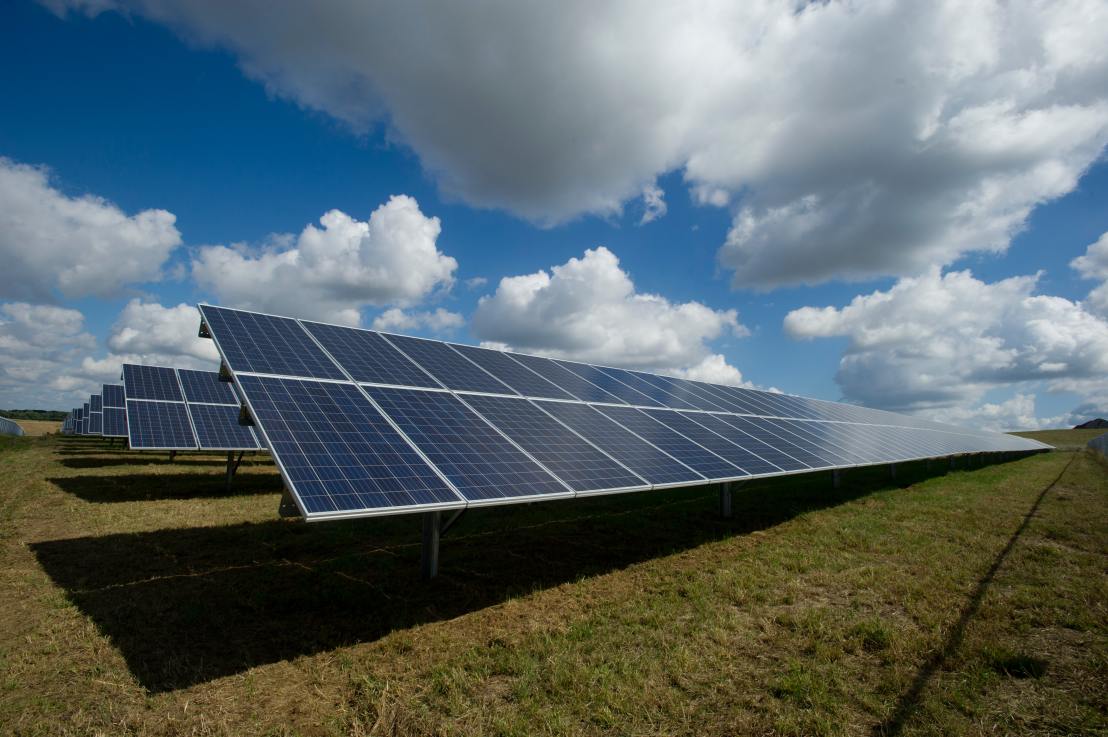
Solar PV has gained popularity over the past 30 years, technological advances have produced enormous increases in the amount of power one solar panel can generate.
Surprisingly, despite increases in the power production of nearly 7 times, solar panels’ dimensions haven’t changed all that much in that period.
How big are extra-large solar panels?
Let’s be general before we get too particular. Regarding the size of solar panels and what constitutes a specific module as “small,” “medium,” “large,” or “extra big,” there are no clear classifications or strict guidelines. However, anything above 8 linear feet often results in an over-dimension cost from the perspective of freight transportation, so we’re going to use it as the cutoff for “extra big” solar panels.
In general, this means that early-generation solar panels, which typically have 36 cells, can be thought of as “small.” In contrast, the 60- and 72-cell modules that have dominated the market for the past ten years can be thought of as “medium” and “large,” and modules with more than 72 cells can be thought of as “extra large.”
When are extra-large solar panels introduced to the market?
Over the past few decades, the efficiency of PV cells has slowly and gradually increased. At the peak of solar cell development in the middle of the 1990s, efficiencies reached close to 15%. Currently, efficiencies of 29% have been gained in experimental settings, and commercially accessible modules are becoming the norm, with values in the low 20% range.
Before the theoretical efficiency limit of single-junction, c-Si-based cells at roughly 30% (known as the Shockley-Queisser limit) become a practical barrier. We are expected to witness additional efficiency advancements in the upcoming years.
As the demand for energy from customers rises and solar cell power output makes little but steady progress, more potent panels are beginning to appear on the market. As long as the higher shipping and labor costs are properly addressed when buying huge solar panels, this is generally good news for customers as it may permit cheaper system costs on items like racking, mounting, and balance of system components.
 Go Solar Today