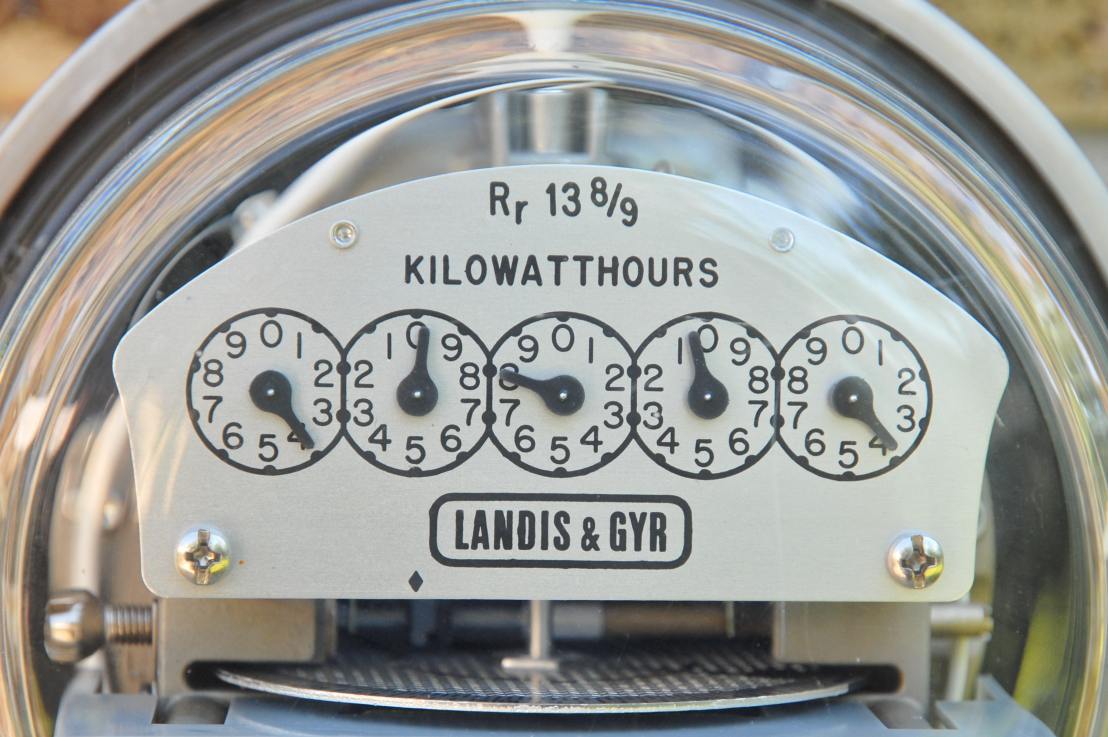
The evident reduction in power bill costs is the primary justification for solar investment amid an economic downturn. The electricity generated by solar panels powers your home. You don’t need to buy power from your utility company when your home uses the electricity generated by your solar panels. Your power cost will thus be reduced, and occasionally even nothing!
Net metering regulations are in force in the majority of American communities. Your utility must buy any extra power your solar panels generate under a net metering scheme. Therefore, your utility will compensate you if your solar panels generate more power than your home needs.
This implies that solar panels can increase your income and lower utility costs.
Let’s imagine, for illustration purposes, that your home uses 800 kWh of power on average per month and that your utility charges you $0.12 per kWh. Your monthly power cost would rise to $96 as a result. Your monthly power cost would drop to about $6 if you installed a solar panel system on your roof that produced 750 kWh of electricity each month.
Additionally, your monthly power bill will also climb if electricity prices rise across the country. When the cost of electricity from your utility increases, your savings grow thanks to solar panels.
You have more money to spend on other things when you pay less for your power bill. This entails additional cash, valid during a recession, and may be used for food or even savings.
Free solar panels? Run!
Remember that not all forms of finance are made equal. People considering power purchase agreements (PPAs) to finance their solar systems may do so more frequently during a recession. You don’t have to pay any upfront fees for the system when you use a PPA. A third company owns the system, and they choose the price you pay for power.
Although PPA electricity costs are cheaper than standard utility rates, you won’t get the same degree of long-term savings as you do when you buy a system (whether through cash or a loan).
Therefore, be wary of installers that offer “Free Solar Panels” and do your homework before signing a contract with them.
You may learn more about the workings of PPAs and if they’re worthwhile in the long term by reading this article on their advantages and disadvantages.
 Go Solar Today