Reading your electric statement may help you manage your energy use, lower the cost of your account, and even figure out how many solar panels you need.
One thing to remember is that solar panels shield you from increasing power prices. To keep up with maintenance and employee compensation, utilities gradually raise electricity prices. You won’t pay rising rates if your home is solar-powered and you rarely or never use grid electricity.
This article will explain all the technical terms on your account, calculate your usual energy usage, and how switching to solar energy will lower your electric cost.
Reading Your Electricity Meter
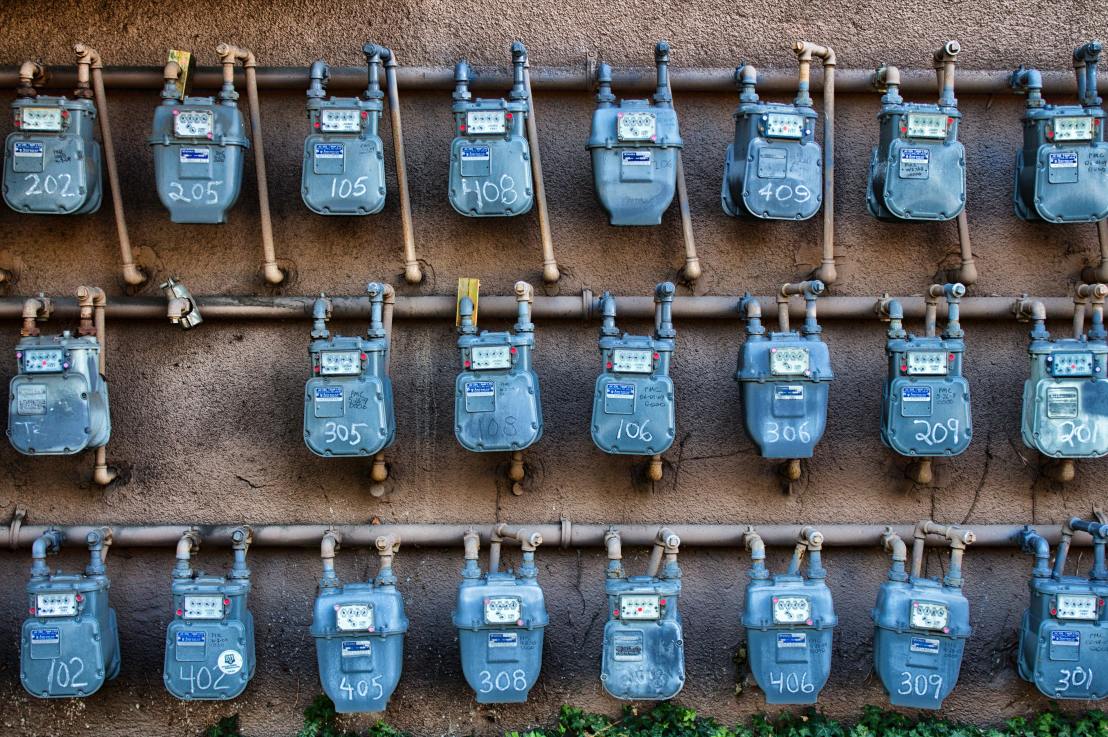
Your household’s power usage is continuously monitored by the meter that usually sits outside your home or apartment. When utility providers “read the meter,” they look at this to ascertain how much power you consumed and, consequently, how much you should be charged.
You may notice on your bill that the meter read occasionally specifies whether it is “real” or “estimated.” “Actual” indicates that your meter was examined to ascertain your monthly kWh usage.
If it is “estimated,” the power cost is a projection based on expected monthly use and average kWh hour use. The amount will be corrected on the subsequent accurate reading if the estimate is more or smaller than the actual reading.
If you have a dial rather than an electric meter, read and record the numbers as they appear on the dials from right to left. Each dial should have five digits, ranging from 0 to 9. If the arrow is between two numbers, read the first one on the right; otherwise, read the lower number. The mock-up below, for instance, displays 23,147 kWh.
Use the lower value if one of the dials does not reach zero for whatever reason. In this instance, you would interpret the fourth dial as 3 to equal 2,313 kWh if the dial farthest to the left reads 0.
You may read your meter on the beginning and end days of the month to find out how much kWh your home consumed over those days, which will help you budget for your electricity.
Your meter will determine how much electricity you return to the grid if you switch to solar power. Many utilities will install a more advanced smart meter before you install solar so that it can more accurately measure how much energy you generate and return to the grid.
 Go Solar Today