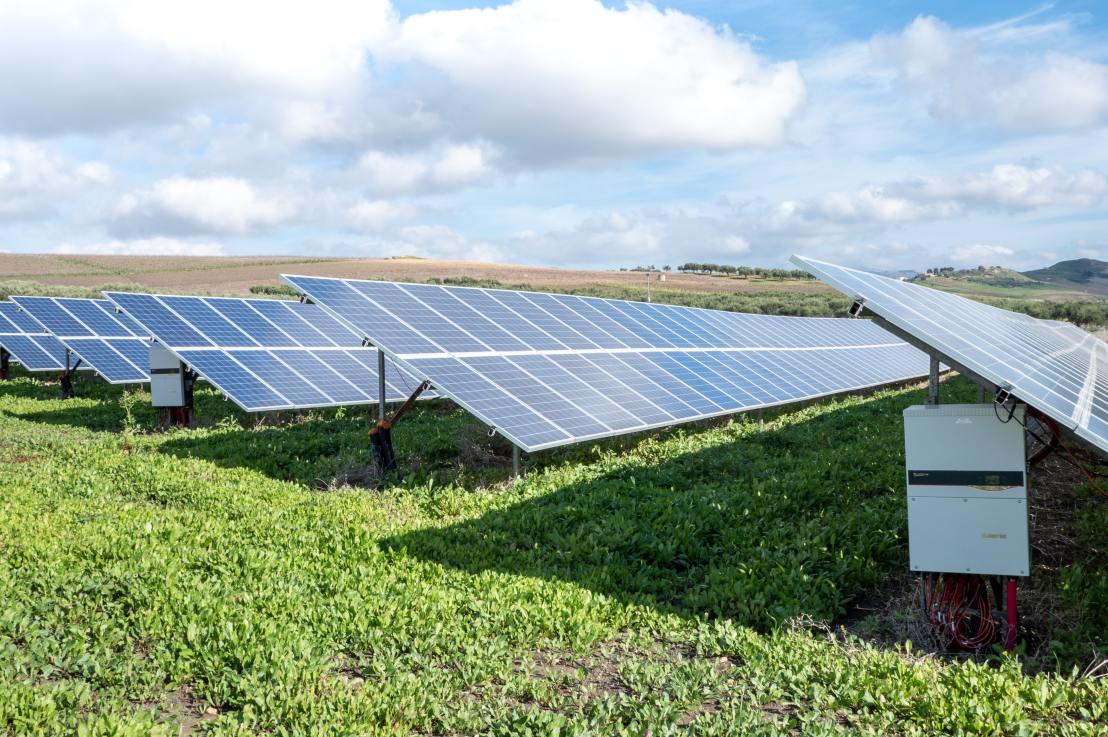
The word “solar panel efficiency” has undoubtedly come up for you if you’ve been considering installing solar panels on your roof.
Defining Solar Panel Efficiency
The amount of sunshine that strikes a solar panel turned into power is known as solar panel efficiency.
In other words, under the right circumstances, particularly the Standard Test Conditions, a solar panel with an efficiency rating of 15% will convert 15% of the sunlight that touches its surface into usable power.
Factors Affecting Solar Panel Efficiency
Although factors like dust, dirt, snow, debris, and shade will all affect how effectively your panels work, that isn’t exactly what we mean when we speak about a solar panel’s efficiency.
Efficiency ratings are nearly exclusively related to the manufacturing technique of the panel. Due to its higher efficiency than other solar cell types, monocrystalline solar cells are now used in practically all home solar panels. However, several monocrystalline solar cell varieties are even more effective than conventional ones.
For instance, some producers employ PERC or HIT solar cells, which increase the efficiency of solar panels by absorbing more light than conventional solar cells. Other solar panels utilize half-cut cell technology, in which solar cells are essentially cut in half to lower resistance as electrons move through the cells to increase efficiency.
Other techniques boost efficiency as well; it’s not simply limited to the solar cell. In reality, a few businesses have begun to adopt multi-busbar technology. This means they conduct electricity across the cells via several tiny wires. Because the cables are so thin, each cell has less shade, allowing them to capture more sunlight.
Panels can be more effective using a white back sheet since it keeps the solar cells cooler.
 Go Solar Today