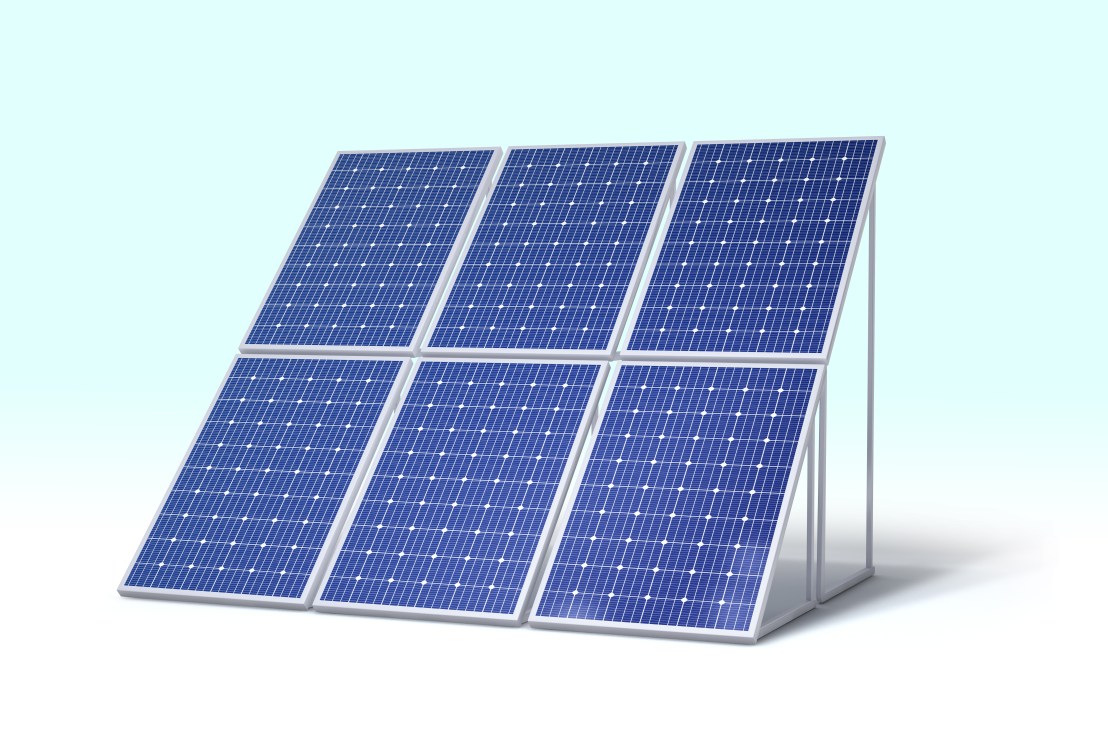
250-watt solar panels would have been the typical module size if you had purchased solar panels before 2018. 250-watt solar panels are currently much less frequent and are rarely installed for a new solar array due to developments in solar technology.
We have seen a significant increase in the power wattage of premium home solar panels due to solar panel output potential advancements. Your system can have greater maximum power with high-output solar panels. You can utilize fewer solar panels to meet your energy demands if your solar panels have a greater wattage.
Solar panels of 250 watts use outdated technology
If you were to put 250-watt solar panels on your roof, you would be using out-of-date technology because they are no longer produced. Numerous advancements in solar panel technology over the past several years have increased the effectiveness and efficiency of the panels. For instance, half-cut cells, which enhance performance in the shade and boost power production, are not included in 250-watt solar panels.
Kits for 250-watt solar panels
250-watt solar panels are no longer a fantastic size or wattage for on-grid solar systems, but they are still a common choice for off-grid systems. Solar panel kits are becoming more and more common for uses like charging batteries or powering RVs and camping gear.
Popular manufacturers of kits for 250-watt solar panels are Renogy and SanTan Solar. The critical elements of these solar panel kits are the 60-cell polycrystalline solar panel, solar charge controller, solar inverter, connections, circuit breaker, and mounting brackets. These kits frequently include solar panels that are foldable or flexible.
Using 250-watts solar panels
There are two key factors to consider when choosing the particular wattage of a solar panel you want to be installed. You should consider two things: the system’s power output requirements and the available roof space.
 Go Solar Today