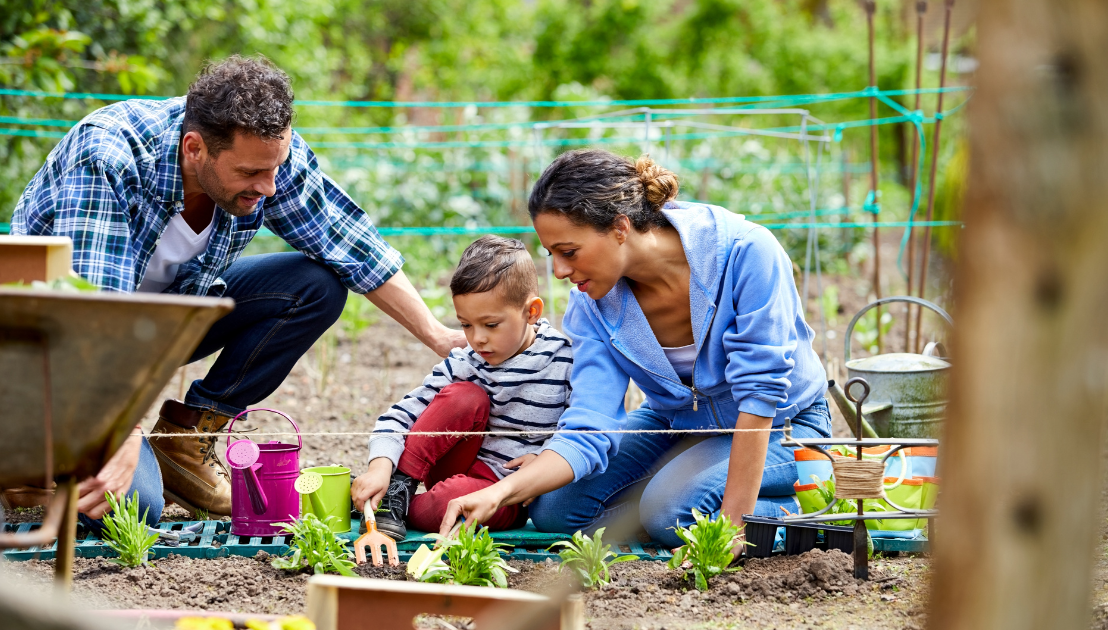
Embarking on a gardening journey, especially as a beginner, is both exciting and rewarding. Whether you have a spacious backyard or a few pots on a balcony, cultivating a garden allows you to connect with nature and witness the beauty of growth firsthand. However, starting a garden can be daunting. Fear not! With the right guidance and a bit of enthusiasm, anyone can create a thriving garden. Here are some tips and tricks for beginners to kickstart their gardening adventure.
Understand Your Space and Conditions
Before diving in, assess your gardening space. Take note of sunlight exposure, soil quality, drainage, and available space. Different plants thrive under various conditions, so understanding your environment is crucial for successful gardening.
Start Small and Simple
For beginners, it’s best to start with a few easy-to-grow plants or herbs. Consider starting with tomatoes, herbs like basil or mint, or resilient flowers such as marigolds or zinnias. These plants are forgiving and offer a good learning experience.
Quality Soil is Key
Invest in good quality soil or consider preparing your own using compost. Healthy soil is the foundation of a flourishing garden. It provides essential nutrients and a suitable environment for plant growth.
Proper Watering Techniques
Learn the watering needs of your plants. Overwatering can be as harmful as underwatering. Water plants deeply and less frequently, allowing the soil to dry slightly between watering sessions. Consider using a watering can or a drip irrigation system for controlled watering.
Know Your Planting Seasons
Different plants have specific planting seasons. Research the ideal time to plant based on your location and climate. Some plants thrive in cooler seasons, while others prefer warmer weather.
Regular Maintenance and Care
Regular care is crucial for a healthy garden. This includes weeding to prevent competition for nutrients, pruning to promote growth, and inspecting plants for pests or diseases. A little attention goes a long way in maintaining a flourishing garden.
Mulching and Composting
Mulch helps retain moisture, suppress weeds, and regulate soil temperature. Consider mulching around plants using organic materials like wood chips or straw. Composting kitchen scraps and garden waste can provide nutrient-rich fertilizer for your plants.
Learn from Failures and Successes
Gardening involves a learning curve. Embrace failures as opportunities to learn. Experiment with different plants and techniques. Celebrate successes and learn from both triumphs and setbacks.
Seek Guidance and Resources
Take advantage of gardening resources available online, in books, or through local gardening clubs. These resources offer valuable information, tips, and support for your gardening journey.
Enjoy the Process
Gardening is a therapeutic and rewarding activity. Take time to appreciate the growth and beauty of your garden. Connect with nature, relax, and enjoy the process of nurturing your plants.
Gardening is a fulfilling and enriching experience that offers a deeper connection to the natural world. By starting small, understanding your environment, providing proper care, and being patient, you can create a vibrant and flourishing garden. Embrace the learning process, and let your gardening adventure be a source of joy, relaxation, and a beautiful sanctuary that reflects your dedication and love for nature.
 Go Solar Today